Reduce Allergens with HVAC Upgrades That Make a Big Difference
For a lot of households, allergies do not feel like a seasonal inconvenience. They feel like a daily tax on sleep, focus, and comfort. People notice it first at home, where the air should feel easiest to breathe, yet sneezing starts after the furnace kicks on, eyes itch more in the bedroom than outside, and dust seems to return almost as soon as the vacuum is put away. That is usually when the conversation turns from medication to the house itself. More specifically, it turns to the HVAC system.
A properly planned HVAC upgrade can do more than make a home feel cooler in summer or warmer in winter. It can reduce allergens with HVAC strategies that target the air where people spend most of their time. The gains often come from a combination of home air filtration, better airflow management, humidity control, and sealing the small gaps that let dust and outdoor irritants circulate endlessly. None of these fixes is magical on its own. Together, though, they can make cleaner indoor air a realistic outcome rather than a marketing phrase.
Why allergens linger indoors longer than people expect
Outdoor pollen gets blamed a lot, and for good reason. It rides in on shoes, hair, clothing, pets, and open windows. But indoor allergens often do more damage because they stay suspended or settle into fabric, carpet, ducts, and bedding, then get stirred back up again every time the system runs. Dust mites thrive in soft surfaces. Pet dander clings to upholstery and circulates repeatedly. Mold spores become a problem whenever moisture hangs around in dark corners, crawl spaces, bathrooms, or poorly drained equipment.
A home can look tidy and still have a stubborn allergy problem if the HVAC system is simply moving the same irritants from room to room. I have seen houses where the owner replaced every vent cover in the place, yet symptoms barely changed because the real issue was a low-grade return air leak near the attic and a filter that was barely catching anything smaller than lint. That kind of situation is common. The system is working, just not working on behalf of the people breathing the air.
The good news is that HVAC solutions for allergies do not always require a full replacement. In many homes, the biggest improvements come from targeted upgrades that improve filtration, keep humidity in a healthier range, and stop unnecessary contamination before it spreads.
Start with filtration, because that is where most homes fall short
Home air filtration is the first place to look when allergy ac installation symptoms seem tied to the HVAC system. Not all filters are equal, and not all homes can use the highest-rated filter without consequences. That is where practical judgment matters.
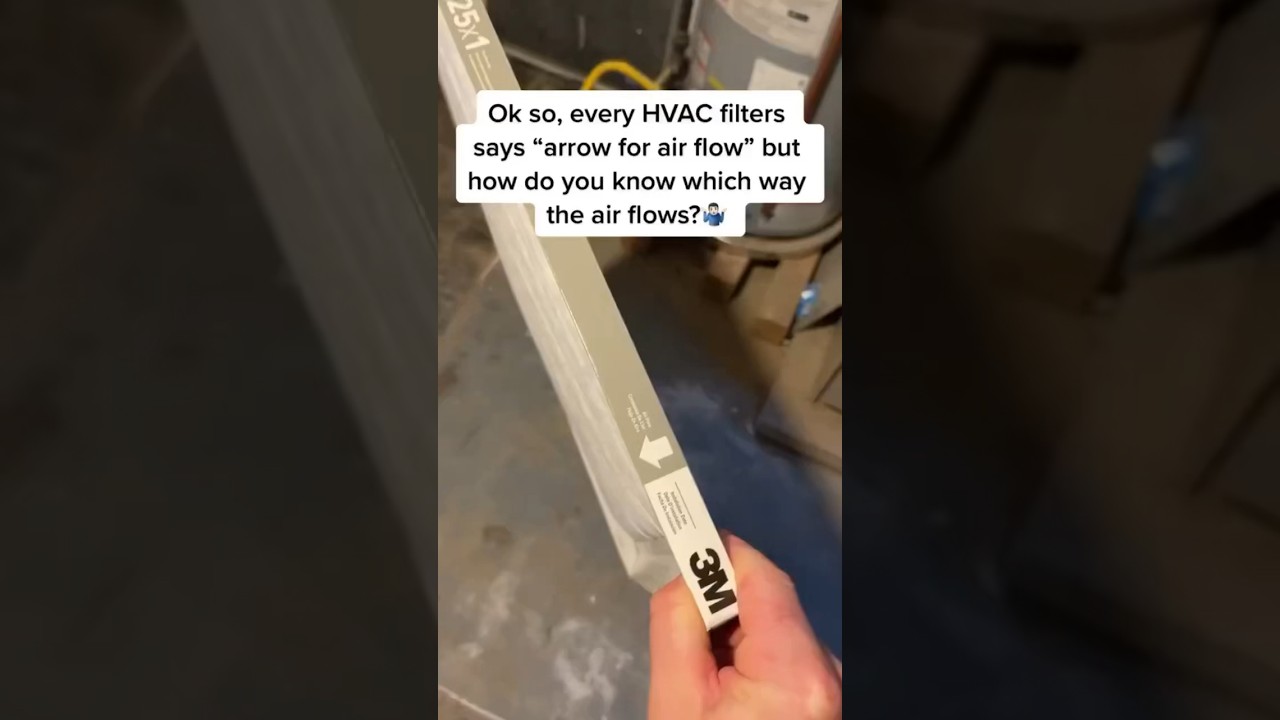
A cheap, thin filter may protect equipment from large debris, but it will not do much to reduce allergens with HVAC airflow. Higher-efficiency filters capture smaller particles like pollen, fine dust, and some dander more effectively. The exact filter rating depends on the system. A common mistake is assuming that the highest possible rating is always best. In real homes, a filter that is too restrictive can choke airflow, strain the blower, and reduce overall performance. When that happens, comfort suffers and the system may even accumulate more dust in the wrong places.
The best approach is to match filtration to the equipment and the allergy burden. For many systems, a well-fitted pleated filter replaced on schedule is a major improvement over the low-cost fiberglass type. In homes with severe sensitivity, a media cabinet with a larger surface area can provide stronger filtration without the same pressure drop penalty. That larger format often makes a noticeable difference because it can hold more captured debris before airflow starts to decline.
If the home has pets, the filter needs to handle more than seasonal pollen. Pet dander is small, persistent, and very good at settling into soft materials. A better filter can reduce the amount recirculating through supply vents, especially when it is paired with regular vacuuming using a sealed machine and a HEPA-style filter attachment. The HVAC system should not be expected to solve everything alone, but it should not be the weakest link either.
Airflow matters as much as filtration
A high-quality filter helps only if air is actually moving through it in the way the system was designed to handle. Poor airflow creates pockets of stale air, uneven temperatures, and lingering allergens. Bedrooms can become dust traps. Living rooms can feel stuffy. Bathrooms may hold excess humidity. A house with weak return air often recirculates contaminants instead of removing them efficiently.
Balancing the system can improve results more than many homeowners realize. If one room seems to trigger symptoms more than others, the cause may be a supply register that is overfeeding one area while the return path is inadequate. In older homes, supply and return layouts are sometimes a patchwork of past renovations and compromises. That does not always require a full redesign, but it does require a careful look at how air is actually traveling.
One practical detail that gets overlooked is the return grille itself. A clogged return opening is not just a maintenance issue, it is an air quality issue. If furniture blocks the return or dust cakes the grille, the system has to work harder to pull air through. The result is weaker circulation and less effective filtration. Even a beautifully upgraded filter cannot help much if the system is starved for air at the front end.
For homes that struggle with airborne irritants, variable-speed blowers and zoning can also help. A variable-speed system can move air more steadily at lower noise levels, which helps maintain better filtration over longer cycles. Zoning can prevent overcooling or over heating one part of the home while other areas remain stagnant. Cleaner indoor air is usually easier to maintain when the system runs in a controlled, even way rather than in short bursts that leave dead zones behind.
Humidity is the hidden piece most allergy plans miss
If there is one factor that quietly worsens allergy complaints, it is uncontrolled humidity. Dust mites love higher humidity. Mold needs moisture to grow. Even pollen and dander become more troublesome when damp air makes them cling to surfaces and fabrics.
In many homes, keeping relative humidity in a moderate range makes a substantial difference in symptom control. Too dry is not ideal, because dry air can irritate nasal passages and make the whole house feel harsh. Too humid gives dust mites and mold an easier environment. The middle ground is where most people breathe more comfortably.
This is one reason HVAC upgrades often include whole-home humidification or dehumidification rather than relying on portable devices in individual rooms. A small dehumidifier can help a basement, and a portable humidifier can ease winter dryness in a bedroom, but those are patchwork solutions. If the HVAC system can manage the home’s overall humidity more consistently, the gains are broader and more stable.
I have seen homes where allergy symptoms improved dramatically after a dehumidification upgrade, even though no one had changed the filter rating. The house no longer felt damp around the edges, the musty smell faded, and dust seemed less sticky on surfaces. That is not an accident. Moisture control changes the behavior of allergens.
Ducts deserve more scrutiny than they usually get
Ductwork gets blamed for everything, sometimes unfairly. The ducts themselves are not always the main source of a problem. But when they are leaky, dirty, or poorly insulated, they can absolutely worsen indoor air quality.
Leaky return ducts are especially troublesome. They can draw dusty attic air, insulation fibers, or basement contaminants into the airflow stream before it ever reaches the filter. Supply leaks can dump conditioned air into unconditioned spaces, which wastes energy and creates pressure imbalances that pull pollutants in through cracks elsewhere in the house. An HVAC system under pressure imbalance can behave like a vacuum in places where you do not want one.
Cleaning ducts is not always necessary, and it should not be sold as a cure-all. In many cases, sealing leaks and improving filtration gives a better return. But when there is visible debris buildup, signs of mold, pest contamination, or heavy renovation dust, a professional evaluation matters. The key is to diagnose the cause, not just clean the symptom.
Insulation matters too. Uninsulated or poorly insulated ducts in hot attics and damp crawl spaces can create condensation. Condensation means moisture. Moisture invites mold. Mold means an ongoing indoor air problem that no standard filter can completely solve. A good HVAC contractor will look at the whole path the air travels, not just the equipment cabinet.
UV lights, ionization, and other add-ons need a careful eye
Homeowners often ask about add-on devices that claim to improve air quality. Some of them have real applications, but they are not all equally useful for allergy control.
Ultraviolet lights can help in certain situations, especially where moisture and biological growth are ongoing concerns around coils or drain pans. They are not a substitute for filtration, and they will not magically remove pollen from the air, but they can help prevent the damp surfaces inside the system from becoming a breeding ground for microbial growth.
Ionization and other electronic air-cleaning technologies deserve more caution. Some systems are effective, some are overpromised, and some have trade-offs that are not explained clearly enough at the point of sale. The best allergy-focused systems are usually the simplest to justify: good filtration, good airflow, controlled humidity, affordable ac repair and clean, sealed ductwork. Add-ons can help, but they should earn their place.
When a homeowner asks what makes the biggest difference, the honest answer is usually that the boring upgrades are the most reliable. A properly sized media filter, a sealed return, and solid humidity control do more practical work than many flashy accessories.
The rooms that matter most are often the quiet ones
Bedrooms should be the first place to evaluate when allergies are affecting sleep. People spend roughly a third of their lives there, and a bad bedroom environment can make everything else feel worse. If symptoms peak at night or in the morning, the issue may not be the whole house. It may be one room with poor return air, an old carpet, a dusty ceiling fan, or a vent blowing directly across the bed.
A bedroom upgrade often starts with the HVAC supply and return arrangement, but it should also account for fabric, bedding, and cleaning habits. Heavy drapes, thick rugs, and overstuffed furniture can trap allergens and keep re-releasing them. A room with cleaner HVAC air but poor surface management will still disappoint.
Nurseries and home offices deserve attention too. People often forget the office because they are focused on productivity rather than sleep, but a room where someone spends eight or ten hours working can trigger all the same issues. If a homeowner notices brain fog, throat irritation, or fatigue that improves outside the house, indoor air is worth investigating in the rooms where time is longest.
When an upgrade is enough, and when a replacement makes sense
Not every home needs a new furnace or full system overhaul to get better air. Sometimes the best move is upgrading the filter cabinet, sealing leaks, and adding humidity control. Those changes can be cost-effective and immediate.
Replacement starts to make sense when the existing system cannot support better filtration without airflow problems, or when the equipment is so old that it runs unevenly, short-cycles, or struggles to keep the house comfortable. A system that barely moves air will never support strong allergen control, no matter how premium the filter is. Age alone is not the deciding factor. Performance is.
A good contractor will look at static pressure, duct condition, equipment sizing, and the home’s layout before recommending a major change. Oversized systems are a common problem. They satisfy the thermostat quickly, then shut off before air has been filtered for long enough to matter. That kind of short cycling can leave the home feeling clean on paper and irritating in practice. A right-sized system with longer, steadier run times often performs better for both comfort and allergens.
There is also a financial trade-off. A full replacement is expensive, while targeted upgrades can be much easier to justify. If the homeowner’s biggest concern is allergy relief rather than total system failure, it usually makes sense to start with the changes most likely to deliver cleaner indoor air per dollar spent.
Practical upgrade priorities that usually pay off
The order matters. A homeowner can spend money in the wrong place and still end up disappointed. The most reliable sequence usually begins with the basics, then moves to deeper system improvements if needed.
A sealed, correctly sized filtration setup is the foundation. After that, humidity control often delivers more relief than expected, especially in damp climates or homes with basements. Duct sealing and return air fixes come next when the system is clearly pulling in contaminants or distributing air unevenly. Only then does it make sense to evaluate specialized accessories or more extensive equipment changes.
Here are the upgrades that typically move the needle most for allergy-prone households:
- Upgrade to a better-fitting, higher-efficiency filter that the system can handle without choking airflow.
- Seal return leaks and fix obvious duct gaps that pull in dust, attic air, or insulation fibers.
- Add whole-home humidity control if the house runs too damp or too dry for comfort.
- Improve airflow balance so bedrooms and other high-use rooms are not neglected.
- Consider a larger media cabinet or system replacement when the current equipment cannot support effective filtration.
That sequence is not universal, but it reflects how allergy problems actually behave in lived-in homes. The biggest gains usually come from stopping the constant reintroduction of contaminants, not from chasing one isolated irritant.
Maintenance is not glamorous, but it decides whether upgrades work
Even the best HVAC solution for allergies degrades if maintenance is inconsistent. Filters clog. Drain pans collect grime. Blower wheels collect dust. A humidifier that is not cleaned can create its own problems. A dehumidifier with a dirty coil loses efficiency. These are not theoretical concerns. They show up in real homes all the time.
Filter changes need a schedule based on the home, not a generic calendar. A house with pets, high occupancy, or heavy pollen exposure may need more frequent changes than a lightly used home. The same applies after remodeling. Construction dust is brutal on systems and can load a filter quickly.
Seasonal inspection also matters. Before cooling season, the coil and condensate line should be checked. Before heating season, the system should be evaluated for airflow and filter fit. If allergy symptoms flare every time the system changes mode, there is probably a maintenance gap or a design issue worth addressing.
People sometimes assume that maintenance is just about equipment longevity. It is also about indoor air quality. Clean air delivery depends on clean mechanical parts. If the system has to push air across a dirty coil or through a clogged filter, both comfort and allergen control suffer.
Cleaner indoor air is a systems problem, not a single-product fix
The most reliable way to reduce allergens with HVAC is to think like the house. Air moves in loops. Moisture moves in patterns. Dust accumulates where flow is weak and surfaces are soft. If one part of the system is off, the whole house can feel less comfortable, even when the thermostat says everything is fine.
That is why home air filtration works best when it is part of a broader approach. Better filters catch more particles, but they need good airflow and sensible maintenance. Humidity control makes allergens less persistent, but only if the system can keep moisture in check consistently. Duct sealing keeps outside contaminants out, but only if the pressure balance supports the fix. Each upgrade helps the others.
For families dealing with allergies, the real goal is not perfection. It is a home that does not keep provoking the same symptoms day after day. When the HVAC system is tuned to support cleaner indoor air, the difference can be surprisingly tangible. Sleep improves. Dust settles more slowly. Spring pollen still arrives, but it does not dominate the house. The air feels less stale, less irritating, and easier to live with.
That is the promise worth aiming for. Not a sterile house, not an impossible allergy-free bubble, but a home where the HVAC system actively works with the people inside it instead of against them.
Phone:
(863) 247-0271
Website:
icecoolinghvac.com
Indoor Climate Experts
296 Lake Smart Circle,
Winter Haven,
FL
33881